 Polymers to Biomass
25+ markets globally
Polymers to Biomass
25+ markets globally
Check compatibility, request samples, and move qualified polymer or textile applications toward trials faster.
BioConversion is built for companies using conventional plastics and textiles that need a cleaner end-of-life outcome without changing lines, tooling, or core manufacturing workflows.
Built for manufacturers who need compatibility clarity before they waste time on the wrong additive path.
0.5% by weight. No equipment changes, no process redesign, no new supplier relationships. Drop-in compatible with every standard compounding line.
Full product shelf life. Mechanical strength, barrier properties, and aesthetics unaffected. Still recyclable in conventional streams.
Microbes in decomposition environments activate the BFA mechanism. Polymer chains convert to non-toxic biomass, CO₂, and water. No microplastic residue.
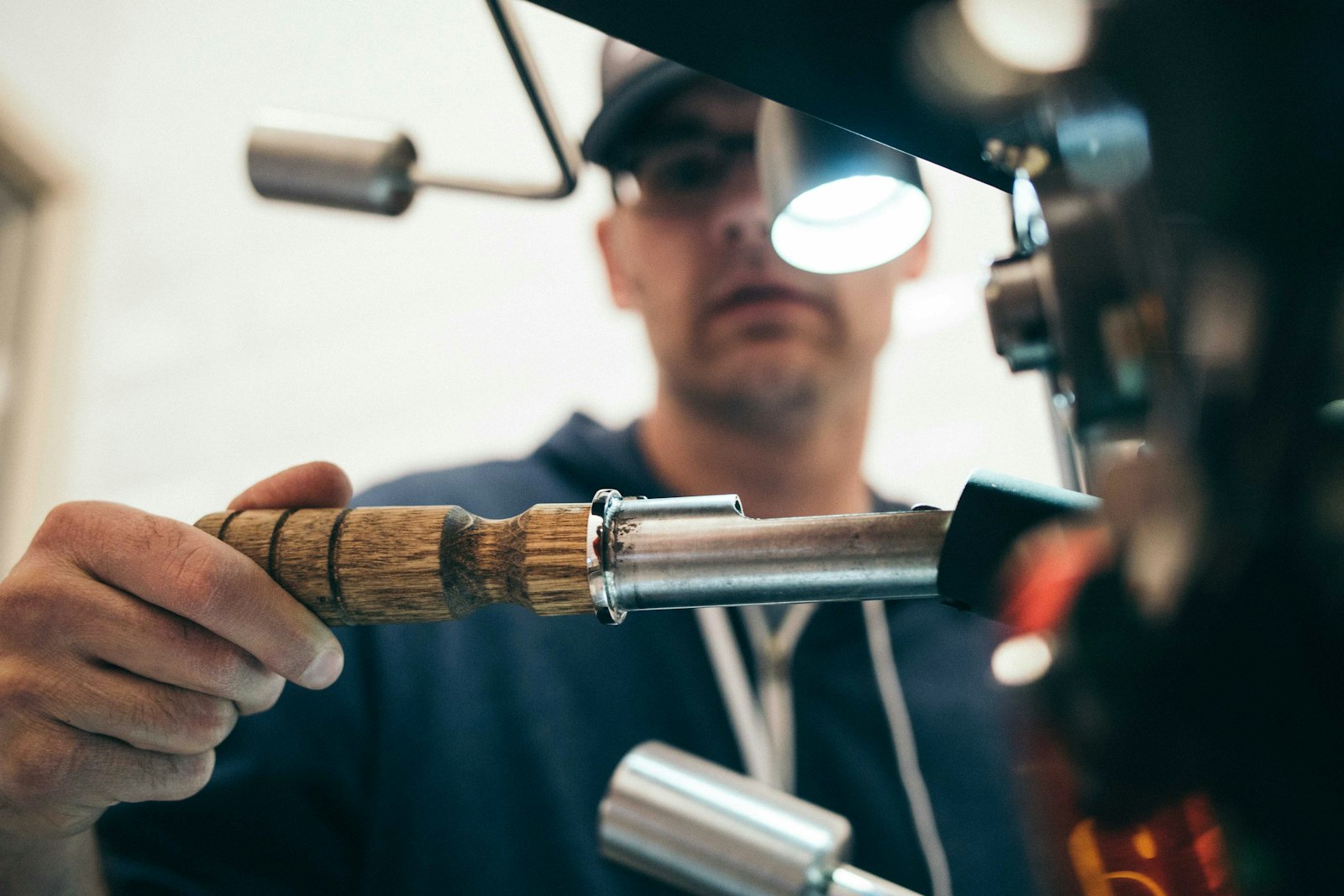
PE, PP, and PET film applications that need additive compatibility without disrupting converting performance.
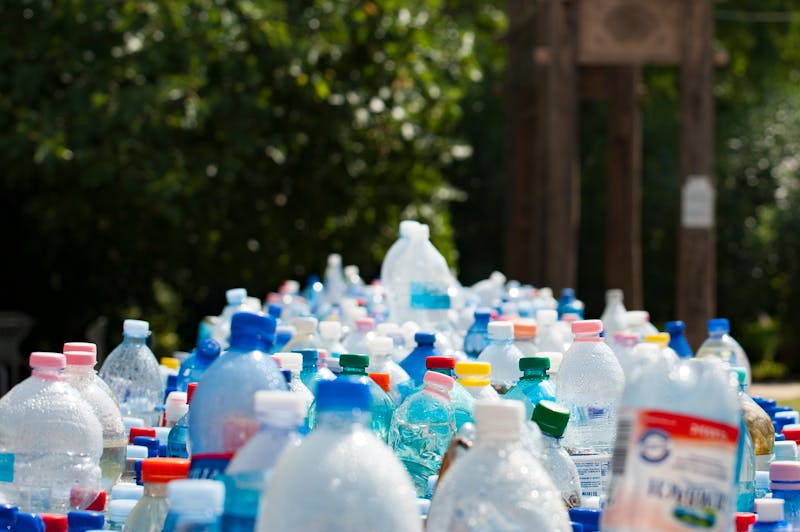
PET, HDPE, and PP moulded applications where manufacturers need additive fit without line changes.
High-volume agricultural film applications where recovery is difficult and end-of-life performance matters.
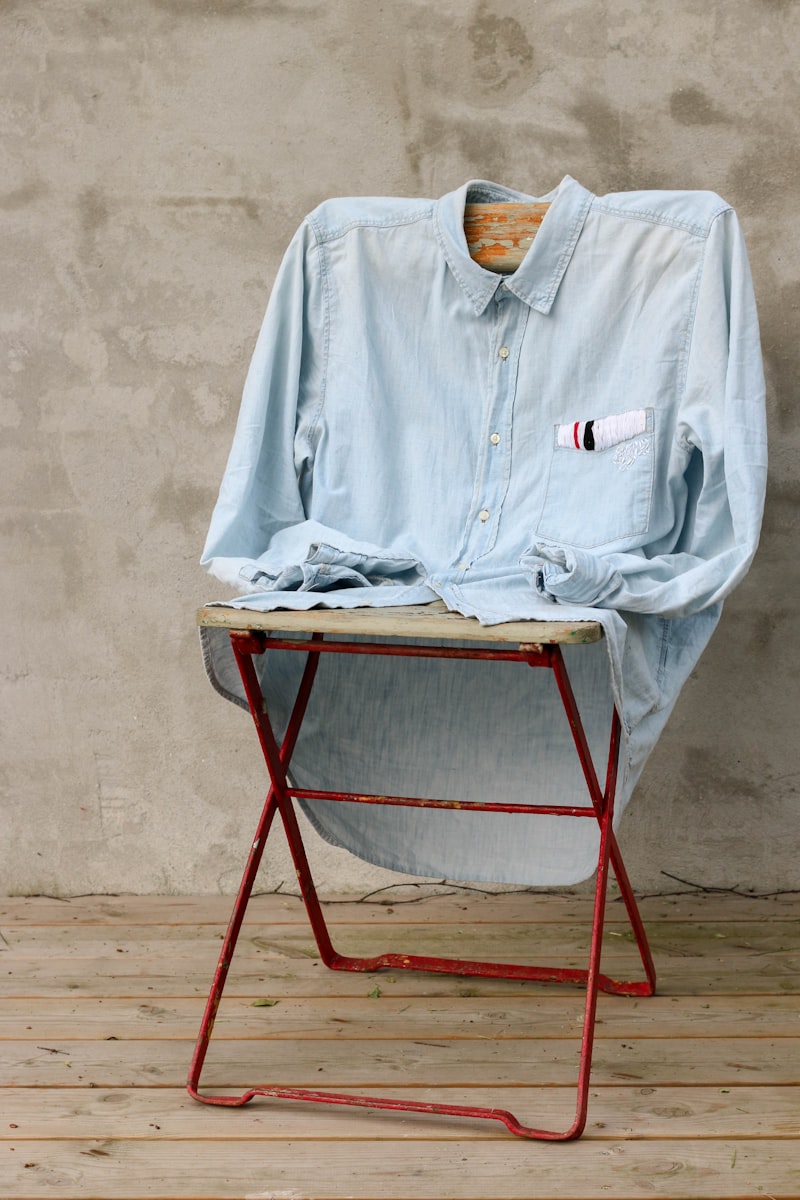
Polyester and nylon applications where textile producers need a serious additive-led end-of-life proposition.
High-intent buyers usually want one of three things: compatibility, a sample path, or a technical/commercial call. Route them fast and qualify hard.
Need a faster route?
Use the assistant to qualify fit before filling the full form.
Yes — BioConversion Functional Additives are fully compatible with PET, as well as PE, PP, PS, PVC, polyester, and nylon. The additive is compounded into your masterbatch at a 0.5% ratio with no changes to your blow moulding or injection process.
During normal product life, the plastic performs exactly as expected. When it reaches a decomposition environment — landfill, ocean, or managed composting environments — naturally occurring microbes are attracted to the additive and trigger bioconversion. The polymer converts to non-toxic biomass, water, and biogas. No microplastics.
BFAs are tested to ASTM D5511, ASTM D6400, and ISO 14855 standards. For food contact applications, we work with you during qualification to ensure compliance with your target market's regulations (FDA, EU, etc.). Full documentation is available under NDA after initial qualification.
There's no strict minimum — we evaluate opportunities based on commercial viability, polymer fit, and market potential. That said, most of our active projects are in the 50+ tonnes/year range. Submit your details and we'll give you a straight answer.
Yes. BFA-treated plastics can be mechanically recycled through standard streams without contamination. The bioconversion process only activates in decomposition environments — not during reprocessing. Your recyclability claims remain intact.
The goal is simple: qualify fit, move the right applications to sample, and push serious prospects toward trial and deal discussions.
Best when you need a straight answer on polymer fit, process fit, and likely next step.
Start hereBest when you have a qualified application and want to move into testing.
Start hereBest for technical review, distributor discussions, or serious commercial follow-up.
Start hereNo commitment required · Same intake underneath, cleaner entry points on top